This was honestly the best dinner of my life. The setting, the food, wine, and service were all perfect. No notes. 10/10. The food was so interesting and delicious. Every dish hit that rare quality of being incredibly flavorful and complex, yet also very light and approachable. The transition of courses displayed such thoughtfulness - for example the first dessert course had crab, prickly pear, fingerling lime, and a few other things - the perfect transition from savory to sweet. Our favorite bite was the oyster with peaches, sumac, palm and fig oil, and some kind of house made aioli. It made me want to cry it was so good:) You can tell how much the team cares about the product and the guest’s experience. The service embodied hospitality in that it was very professional, but not stuffy in the slightest. The wines the team picked for us fit flawlessly with the meal and also felt very special based on their locality and connection to the land. Again, the food the wine, everything was perfect. If you are visiting Sardinia, Fradis Minoris should be at the top of your list of things to do.
Overview
Walking into Fradis Minoris Ristorante feels like stepping into a calm pocket of coastal Sardinia, the kind of place where time slows down and food takes the lead. The location alone sets the tone. It sits near Laguna di Nora Località, along Viale Nora, 09010 Pula CA, Italy, with views that shift between sea breezes and quiet greenery. I first stopped here after a long afternoon exploring the nearby ruins, hungry and curious, and ended up staying far longer than planned because the atmosphere encourages you to linger.
The menu leans confidently into Sardinian tradition, but it’s not stuck in the past. You’ll see familiar seafood staples alongside seasonal plates that change based on what local fishermen and farmers bring in that week. One of the servers explained how their kitchen follows a simple process: start with raw ingredients sourced within a short radius, handle them as little as possible, and let natural flavors do the work. That approach mirrors the philosophy promoted by the Slow Food movement, which emphasizes local sourcing and biodiversity, and it shows in every dish that hits the table.
On my visit, the grilled catch of the day came straight from the waters near Nora. The fish was simply dressed with olive oil and herbs, and that restraint paid off. According to data from Italy’s National Institute of Statistics, coastal regions like southern Sardinia consume significantly more fresh fish per capita than inland areas, and restaurants here tend to specialize in freshness rather than heavy sauces. You can taste that regional habit at work. Even the appetizers, like raw seafood and marinated vegetables, feel clean and balanced rather than overworked.
What stood out to me most was how the staff handled recommendations. Instead of pushing the most expensive plates, they asked what I liked and adjusted suggestions based on that. When I mentioned I preferred lighter meals, they suggested a seafood pasta made with durum wheat semolina, explaining how Sardinian pasta differs from northern varieties. That kind of explanation turns a meal into a small lesson, and it reflects real expertise rather than rehearsed talking points.
Reviews from other diners echo similar experiences. Many mention the consistency of service and the calm pacing of meals. You’re not rushed, even on busy evenings, which is increasingly rare. From a hospitality standpoint, that matters. Research published by Cornell University’s School of Hotel Administration has shown that perceived meal pacing has a direct impact on customer satisfaction, often more than portion size or price. Fradis Minoris Ristorante seems to understand that intuitively.
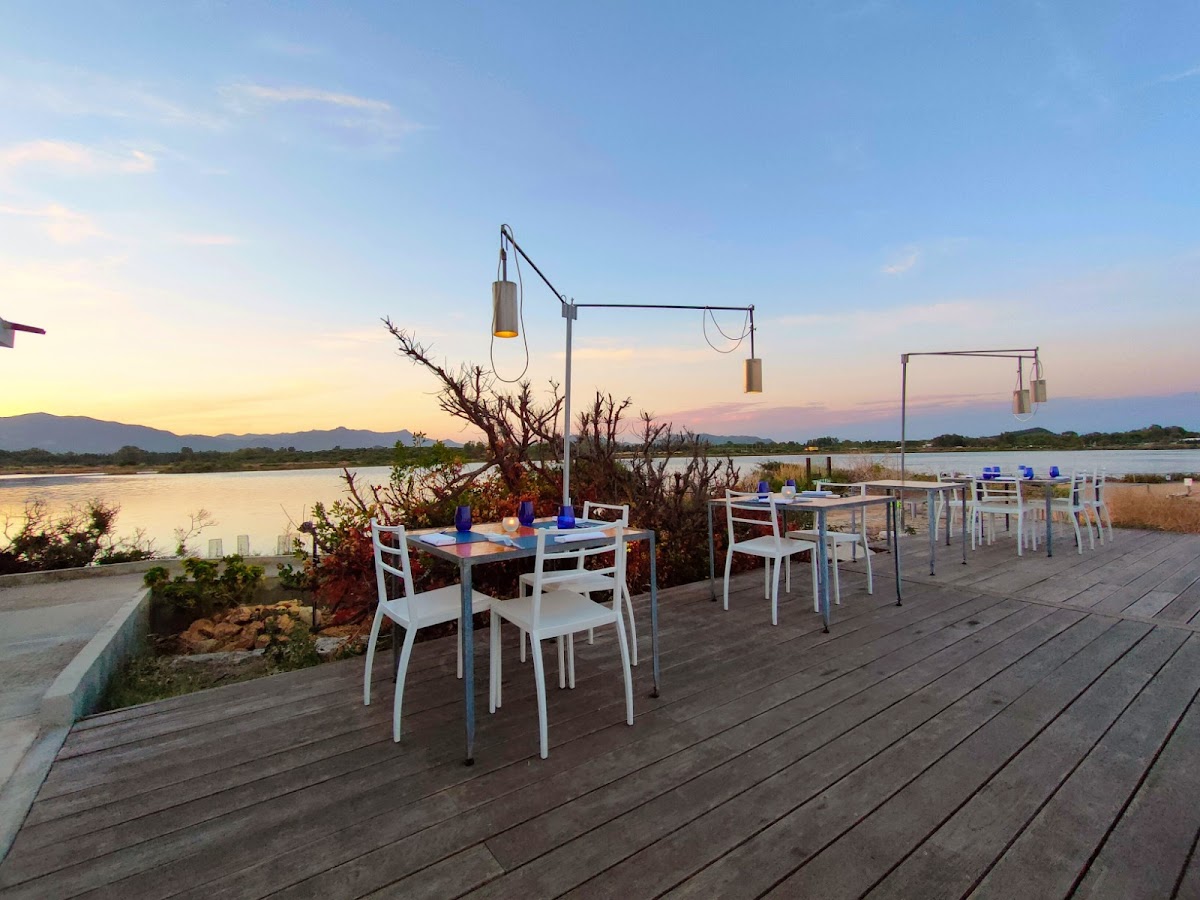
The setting also plays a role in the overall experience. Tables are positioned to make the most of the surrounding landscape, and the décor avoids anything flashy. It’s understated, almost minimalist, which keeps the focus on the food and the view. There’s a quiet confidence in that choice. Nothing feels staged for photos; instead, it feels designed for comfort and conversation.
That said, there are limitations worth mentioning. Because the menu relies heavily on seasonal availability, some popular dishes may not be offered year-round. If you’re set on a specific item you saw in older reviews, it might not be available when you visit. Personally, I see this as a strength rather than a flaw, but it’s good to know going in.
From a broader perspective, this restaurant reflects a growing trend in Italian coastal dining: fewer ingredients, clearer flavors, and closer ties to local producers. Food and Agriculture Organization reports consistently highlight Italy as a leader in sustainable small-scale fisheries, and places like this translate those practices into real dining experiences. You’re not just eating seafood; you’re seeing how regional systems work together.
Whether you’re scanning menus online, checking locations near Pula, or reading reviews to plan a special dinner, this place offers something grounded and honest. It doesn’t chase trends or overpromise. Instead, it delivers a meal that feels thoughtful, rooted, and genuinely connected to where it stands.
Good to know
Service options
✓ Dine-inOfferings
✓ Alcohol ✓ Coffee ✓ WineDining options
✓ Lunch ✓ Dinner ✓ DessertPlanning
✓ Accepts reservationsPayments
✓ Debit cards ✓ NFC mobile payments ✓ Credit cardsParking
✓ Free parking lot ✓ Paid parking lot ✓ ParkingPhotos
Location
Reviews
Went to the bistro for lunch today. I think both the bistro and the restaurant are quite unique worldwide as lunch spots (though I now need to go for dinner as well because of all the deliciousness). One literally sits in the habitat of what is on the plates, and the surrounding maintains make the setting picture perfect!
Set amid a private lagoon and fish reserve, this restaurant occupies a unique location managed by a cooperative dedicated to preserving the local ecosystem—a commendable commitment reflected in its Green Michelin Star. The ingredients, sourced exclusively from the lagoon or nearby areas, are of excellent quality, and the sustainability efforts are genuinely impressive. Culinarily, however, the experience fell somewhat short of expectations given the Michelin star. While the tasting menu showcased good dishes, it lacked a cohesive narrative, feeling more like an assortment of individual creations than a carefully curated journey. The standout was the pasta con la bottarga (offered as an additional course), notable for its clever inclusion of cheese, which added depth and richness. It remains a worthwhile visit, particularly to appreciate the admirable environmental work behind the restaurant, though in our view, the cuisine alone does not fully justify its Michelin star.
This restaurant is a fantastic experience, highly recommend it. Location is magical between the sea and the lagoon, the sunsets are incredible there. The service is impeccable, everyone is very welcoming, helpful and super knowledgeable about the food and wines they have-all local products to Sardinia. And the food was absolutely scrumptious, beautifully presented, full of flavours from the sea. We tasted many ingredients we didn't know and truly enjoyed the creativity of the chefs.
Excellent establishment! My husband and I came here on our honeymoon and it was one of the highlights of our trip. Service is exceptional (they even provided me with a blanket when I got chilly at night), and the food was some of the best we've ever had. My husband had the fish tasting menu and I chose the vegetable one. Each course was beautiful, thoughtfully prepared and plated, creative, and delicious. The ingredients are high quality, fresh, and local. The wine was also delicious. To make a great experience even better, the location is to die for. We could not get over the beauty of the lagoon on one side and the sea on the other. As the sun set behind the mountains the sky got more gorgeous every minute. My husband commented that he would fly back to Sardinia just to eat here again. I would highly recommend coming before sunset to experience the location in the sunlight, sunset, and the darkness with the beautiful stars above. An absolute must for a visit to Sardinia!
The entire experience was fantastic. Not only was the location and food spectacular but the service was amazing. We had several servers throughout our dinner however Nicole was exceptional, she was warm and friendly and explained so much about the sourcing of the ingredients for our meal.
This restaurant uses their own produce from the lagoon and local ingredients on the island. The dishes are very innovative and delicious, not to mention that stunning view under the moonlight! The staff are really friendly and attentive. They are biologists looking after sea turtles and education center during the day and waiters at night. Really interesting place!
I can understand that this food won’t be to everyone’s likings but in my opinion It was a great and worthwhile experience: The food is what I would say is on the edge of culinary science. Each dish was interesting in both taste and texture. This is a restaurant to visit for a culinary experience rather than a simple pleasant meal. The option for a 6 course vegetarian meal was great - especially considering my experience in other nearby restaurants which struggled to cater to such dietary requirements. The staff were attentive and knowledgeable about each dish and what they were serving. Staff catered to my needs extensively offering me a blanket when I looked cold. And calling us a taxi - after we explained we were unable to find an Uber to take us back to our hotel. Shortcomings: When booking it was not clear that I needed to state I was vegetarian, this was problematic as the first course was a shared fish-dish that I could not have. However this is partly a fault on me. As a desert lover I was underwhelmed by the desert. Unlike the other dishes it wasn’t anything special